- The Fed voted to lower its policy rates by 25bps to 3.75% - 4.00% in its October meeting.
- Powell stressed that a rate cut in December was 'not a forgone conclusion'. Markets have now scaled back their rate cut expectations for 2025 and 2026.
- We reiterate our belief that rate cuts are likely to be gradual due to risks on both sides of the dual mandate, a theme that the Fed alluded to in this meeting too.
- We see multiple opportunities in the global bond universe, especially in shorter and medium-tenor bonds. Shorter-duration products offer stable returns at relatively appealing yieds, while longer-duration products allow investors to lock in yields in a rate-cut environment.
What happened in the October meeting
At its October 2025 FOMC meeting, the Federal Reserve voted 10-2 to lower its policy rate by 25bps to 3.75% - 4.00%. The decision showcased a growing divergence of views, with one member (Miran) voting for a 50bps cut, and another (Schmid) preferring a rate hold. Meanwhile, the Fed also announced it would end quantitative tightening in December.
At the press conference, Powell stressed that a rate cut in December was ‘not a forgone conclusion – far from it’, acknowledging the ‘strongly differing views’ within the Fed regarding the upcoming December meeting. While he had previously reiterated a data-dependent stance, the wording chosen this time was unusually clear and direct. Markets have now scaled back their rate cut expectations, now pricing in a rate hold in December and just two more cuts in 2026.
As with the previous meeting, Powell highlighted two-sided risks to the Fed’s dual mandate of employment (downside risks) and inflation (upside risks). Nonetheless, he also acknowledged that downside risks to employment had grown in recent months, which we think perhaps drove the decisions to cut rates in September and October.
On data disruptions from the government shutdown, Powell stated the Fed could still monitor major shifts in the economy through alternative data sources and surveys (e.g. the Beige Book). However, he acknowledged that lesser data could introduce greater data uncertainty and hence prompt greater caution by the Fed, echoing his previous analogy of ‘driving cautiously in a foggy environment’. While Powell did not seem overly concerned about these data disruptions, we think a prolonged shutdown into December could potentially raise the likelihood of a rate hold.
Recent economic datapoints you should know
While the US government shutdown has disrupted official data releases (e.g. non-farm payrolls), unofficial labour market metrics continue to signal softening conditions. For instance, ADP’s non-farm figures estimated that 32k jobs were lost in September 2025, following the 3k jobs lost in August 2025 (Chart 1). It is also notable that the August figure saw a large downward revision (from 54k jobs gained to 3k jobs lost), extending a trend of large downward revisions to non-farm payroll data previously (Chart 2).
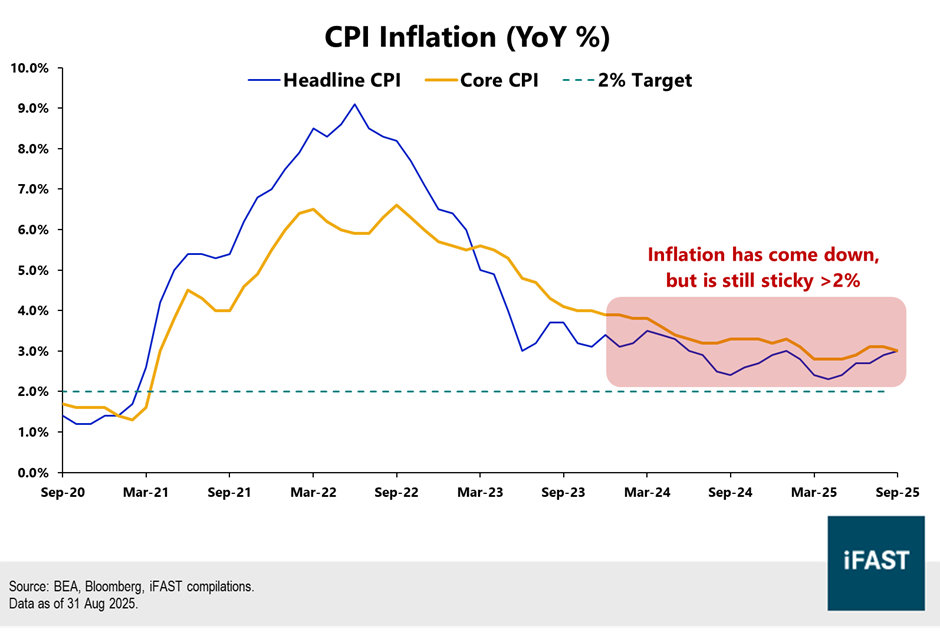
As for inflation, it remains sticky above the 2% level across multiple measures. Headline CPI inflation for September (released despite the government shutdown) came in at 2.9%, while core CPI inflation was reported at 3.1% (Chart 3). Survey expectations have moderated but remain very elevated at 4+% levels (using University of Michigan & Conference Board surveys), likely driven by tariff-related concerns. These may complicate the Fed’s task of keeping inflation and inflation expectations in check.
Chart 1: Unofficial estimates show some job losses in August and September 2025
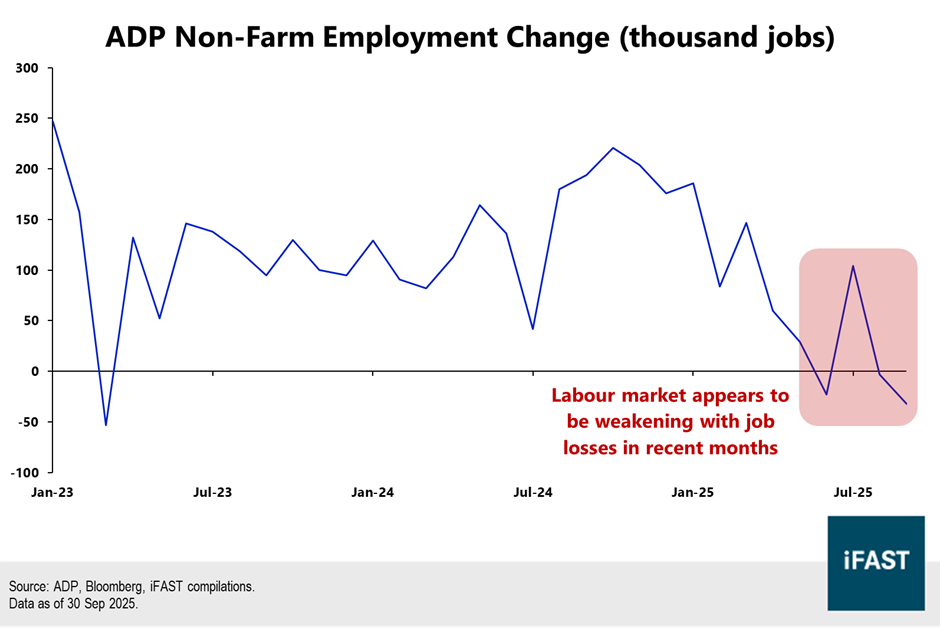
Chart 2: Multiple downward revisions to non-farm payroll data (pre-shutdown)
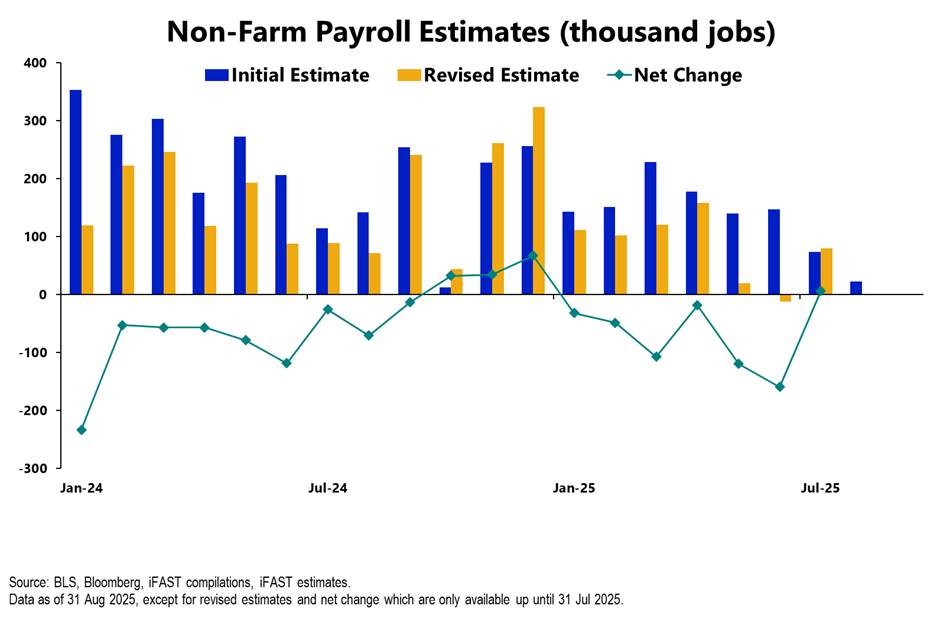
Chart 3: Inflation has come down but remains sticky >2%
Start to gradually add duration as opportunities arise
It looks likely that the Fed will continue cutting rates into 2026, based on current trends in the US labour market. Market pricing today implies about two cuts through end-2026, which we believe is a fair estimate. As we have emphasised throughout this year, rate cuts are likely to be gradual due to the two-sided risks to the data mandate, something which is clearly reflected in Powell’s communications in this meeting.
Against this backdrop, we see multiple opportunities across the global bond universe, including in shorter and medium-tenor bonds. Shorter-duration products offer relatively appealing and stable returns if the Fed does not aggressively cut rates, and also come with lesser exposure to interest rate volatility. Meanwhile, longer-duration products allow investors to lock in yields in a rate-cut environment. While medium-tenor yields may not fall as quickly as (short-tenor) policy rates, we see growing value in the 5-year to 10-year space, where the yield curve is steepest and hence offers potential gains from ‘rolling down the curve’.
As for the ultra-long tenors (e.g. 20-years and 30-years), investors should note that small moves in interest rates can translate into large price swings. Longer-end yields are influenced not only by Fed policy, but also by long-term inflation expectations and fiscal debt dynamics. Investors who are comfortable with this higher volatility may use these ultra-long maturities to lock in yields; alternatively, traders could seek opportunities arising from interest rate volatility.
Product recommendations
Within bond markets, we see a wide range of opportunities depending on investors’ specific preferences (e.g. duration, credit profile, or each issuer’s fundamentals). Some of our recommendations this year are shown below (Table 1). We have also reviewed many other bonds in previous articles and will continue to share additional ideas ahead!
Table 1: Bonds to consider
| Bond Name | Reset / Maturity Date (Years to Reset / Maturity) |
Ask Price | Yield to Worst | Credit Rating (S&P / Moody's / Fitch) |
| RAKUTN 11.250% 15Feb2027 Corp (USD) | - / 15 Feb 2027 (- / 1.3) |
108.382 | 4.45% | BB / - / - |
| MUTHIN 7.125% 14Feb2028 Corp (USD) | - / 14 Feb
2028 (- / 2.3) |
102.667 | 5.86% | BB+ / - / BB+ |
| BZLNZ 5.698% 28Jan2035 Corp (USD) | 28 Jan 2030 / 28 Jan 2035 (4.3 / 9.3) |
103.648 | 4.74% | A / A3 / - |
| MQGAU 3.624% 03Jun2030 Corp (USD) | - / 03 Jun
2030 (- / 4.6) |
96.102 | 4.57% | BBB+ / A3 / BBB+ |
| FWDGHD 7.635% 02Jul2031 Corp (USD) | - / 02 Jul 2031 (- / 5.7) |
112.500 | 5.07% | - / Baa2 / BBB- |
| BNKEA 6.750% 27Jun2034 Corp (USD) | 27 Jun
2029 / 27 Jun 2034 (3.7 / 8.7) |
105.454 | 5.09% | BBB- / - / - |
| LGENSO 5.500% 02Jul2034 Corp (USD) | - / 02 Jul 2034 (- / 8.7) |
103.140 | 5.05% | BBB+ / Baa1 / - |
| EMBRBZ 5.980% 11Feb2035 Corp (USD) | 11 Nov
2034 / 11 Feb 2035 (9.0 / 9.3) |
107.634 | 4.92% | BBB- / - / BBB- |
| Source: Bloomberg, Bondsupermart, iFAST compilations. Data as of 30 Oct 2025. | ||||
Declaration: For specific disclosure, at the time of publication of this report, IFPL (via its connected and associated entities) holds positions in BZLNZ 5.698% 28Jan2035 Corp (USD), MUTHIN 7.125% 14Feb2028 Corp (USD), and RAKUTN 11.250% 15Feb2027 Corp (USD). The analyst who produced this report holds NIL positions in the abovementioned securities.