In recent months, offshore Renminbi bonds—better known as Dim Sum bonds, have frequently appeared in the primary market, drawing attention from many investors. Amid this popular trend, let’s take a look of the characteristics of these bonds and the reasons behind their rising issuance.
Simply put, Dim Sum bonds are the general term for all offshore RMB bonds, and they are different from Kungfu bonds (offshore USD bonds issued by Chinese companies), Panda bonds (onshore RMB bonds issued by foreign companies), and Yulan bonds (offshore bonds issued by domestic Chinese entities) (see Table 1).
Table 1: Bond Types
| Dim Sum Bond | Kungfu Bond | Panda Bond | Yulan Bond | |
| Currency | RMB | USD | RMB | Unrestricted |
| Genre | Offshore | Offshore | Onshore | Offshore |
| Issue Body | Unrestricted | Chinese company | Foreign Company | Domestic Chinese Entity |
| Source: Bondsupermart | ||||
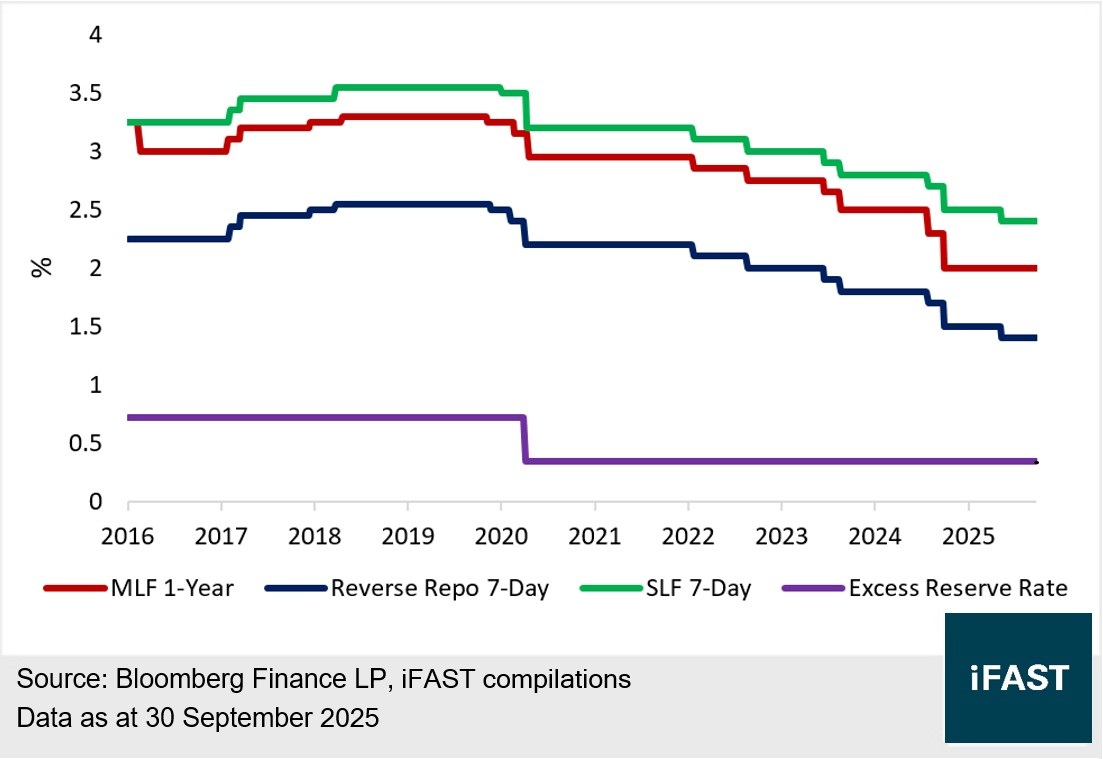
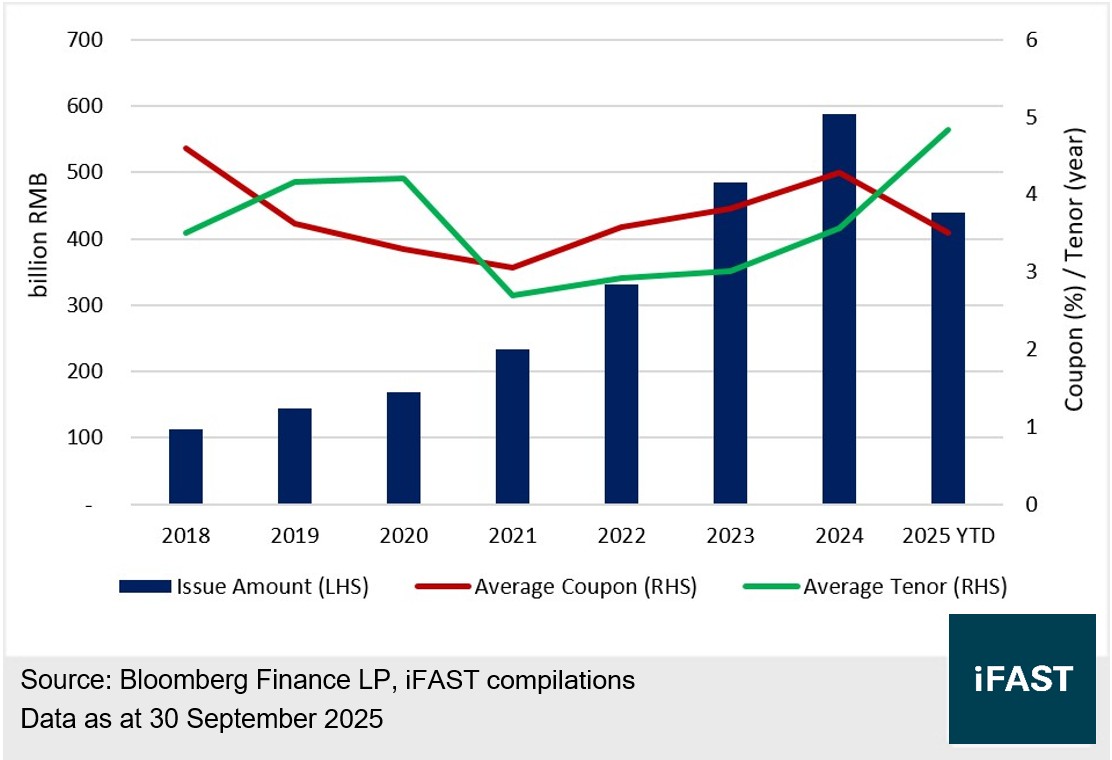
Over the past few years, the RMB Dim Sum bond market has developed rapidly, with issuance volume rising every year. The scale has increased by over 200% in five years, reflecting the massive growth in market demand for RMB assets. Entering 2025, as the economy in Mainland China is starting to stabilize, in addition to the continuous drop in several key interest rates such as the 1-year MLF and 7-day reverse repo rates (see Chart 1), many issuers are able to benefit from significantly lower bond issuance cost.
Chart 1: China’s Interest Rate Corridor
We notice that the average coupon rate for Dim Sum bonds issued in 2025 has dropped back to 2022 levels, with the average tenor reaching 4.8 years, far higher than previous years (see Chart 2). This represents that companies are able to issue longer-term bonds with lower issuance costs.
Chart 2: Issue Amount, Coupon Rate and Tenor of Dim Sum Bonds (>1-Year, Non-zero-coupon, Fixed Tenor)
Dim Sum bond issuers mainly include governments, state-owned enterprises, and some of the large-sized private companies. For example, Tencent issued three Dim Sum bonds for the first time this year, with a total issue size of RMB 9 billion. Its 10-year bond is also becoming one of the largest Dim Sum bonds issued this year (see Table 2).
Table 2: Top 5 Dim Sum Bonds by Issue Size in 2025 (with Tenor at least 3 Years)
| Issuer | Issue Date | Tenor | Coupon Rate | Issue Size (in RMB) |
| China Government | 21/2/2025 | 3 Years | 1.80% | 14 billion |
| China Government | 21/2/2025 | 5 Years | 1.88% | 13 billion |
| Baidu | 12/3/2025 | 5 Years | 2.70% | 7.5 billion |
| State Grid | 17/9/2025 | 3 Years | 1.88% | 6 billion |
| Tencent | 23/9/2025 | 10 Years | 2.50% | 6 billion |
| Source: Bloomberg Finance LP Data as of 30 September 2025 |
||||
Looking ahead, several regulatory authorities from Mainland China and Hong Kong have clearly stated their intention to actively develop the Dim Sum bond market. Considering that many developed economies including the US, Eurozone, UK, Canada, Australia, Japan, and South Korea already have their own government bond futures, the People's Bank of China (PBOC) has reiterated the need to accelerate the implementation of RMB government bond futures in Hong Kong. After the launch, the liquidity of Dim Sum bond will improve and should further drive demand growth, and therefore we can expect to see increasingly more Dim Sum bond issuances in the future.
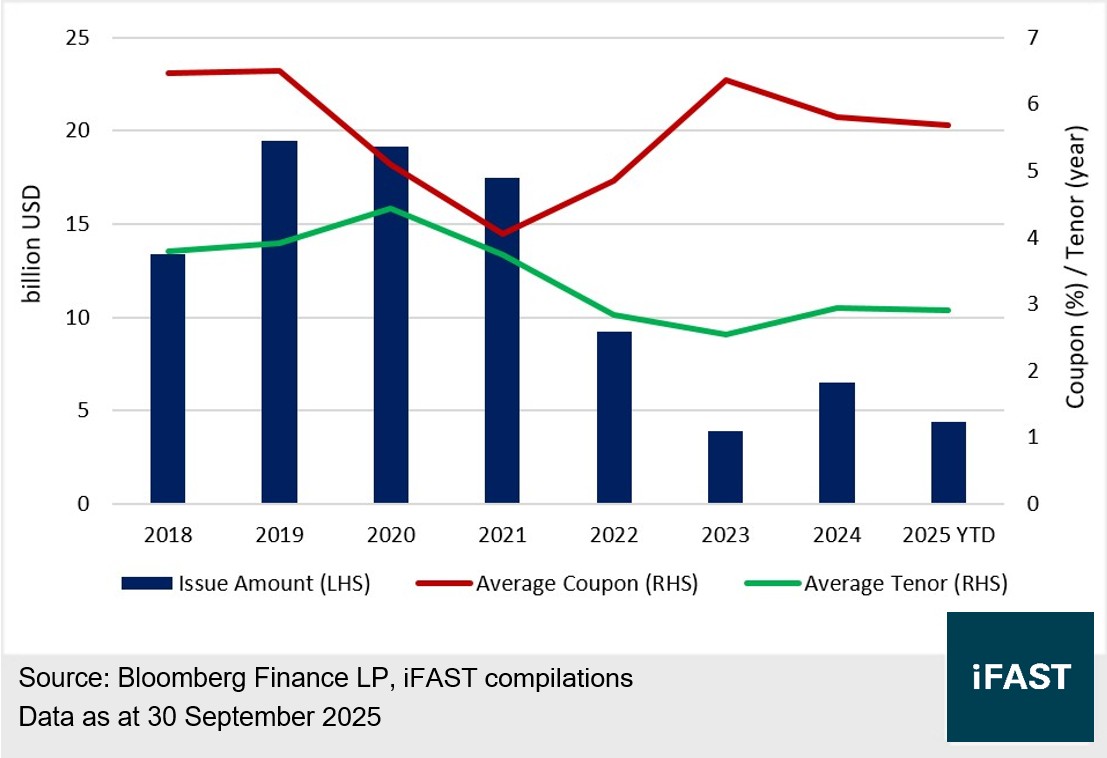
In contrast, the overall Kungfu bond market is gradually shrinking, with issuance amount declining from the peak in 2019-2021. Apart from the fade-out of Chinese property developers, the changes in US interest rate environment have also led to increased borrowing costs and shorter average issue tenor, resulting in lower incentive for Chinese companies to issue USD bonds (see Chart 3).
Chart 3: Issue Amount, Coupon Rate and Tenor of Kungfu Bonds (>1-Year, Non-zero-coupon, Fixed Tenor)
Since the beginning of the property sector crisis in Mainland China in 2020, PBOC has consistently adopted expansionary monetary policy, including multiple cuts in interest rate and required reserve ratio, accompanied by numerous measures to stimulate the real estate market in an attempt to stabilize the economy. More importantly, rather than injecting money into debt-troubled companies, the government actually hopes to achieve ‘loosening private credit’, policies such as lowering mortgage rates and providing subsidies on consumer loans, are targeting to stimulate individual consumptions and drive the recovery of economy from demand side.
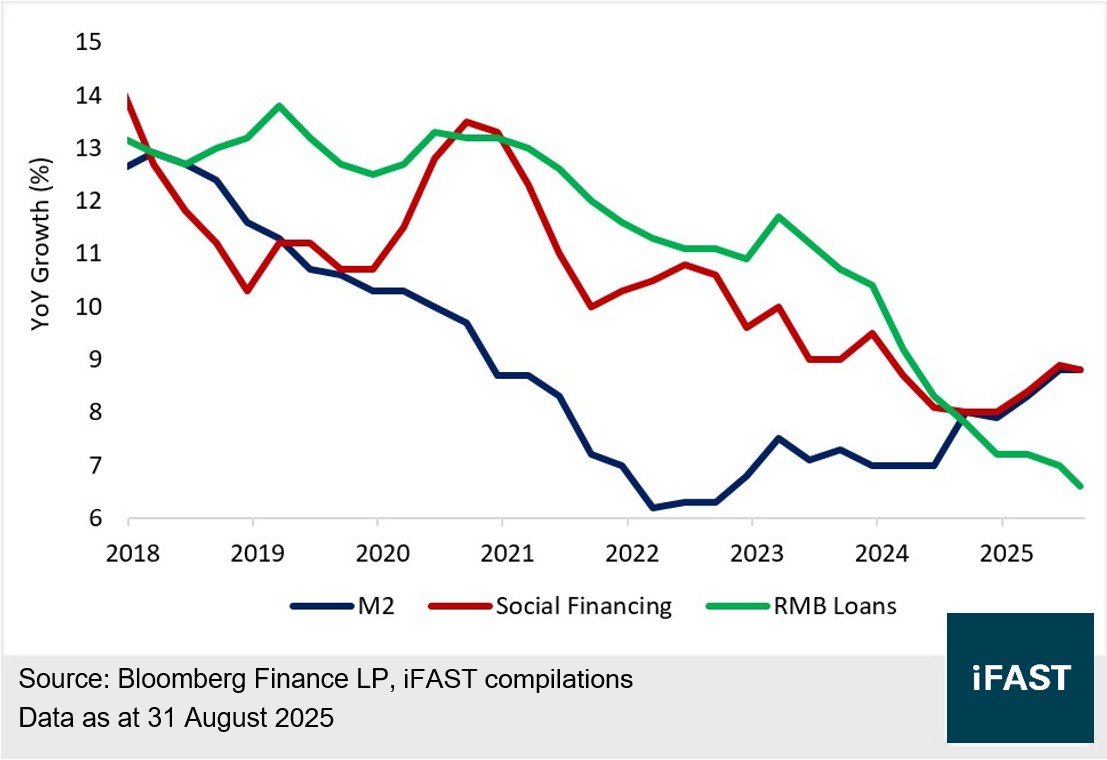
However, although we see M2 growth has indeed recovered since 2022 and the growth of social financing has also started to rebound in 2024, this growth is actually driven by the increase in corporate bonds and equity financing. Meanwhile, the RMB loan growth, which better reflects the consumer market, continues to decline (see Chart 4). This implies that liquidity released by loosening monetary policy remains trapped within the financial system. Facing weak borrowing demand from the general public, banks can only deploy funds in corporate financing or proprietary investment.
Chart 4: Growth of M2, Social Financing and RMB Loans
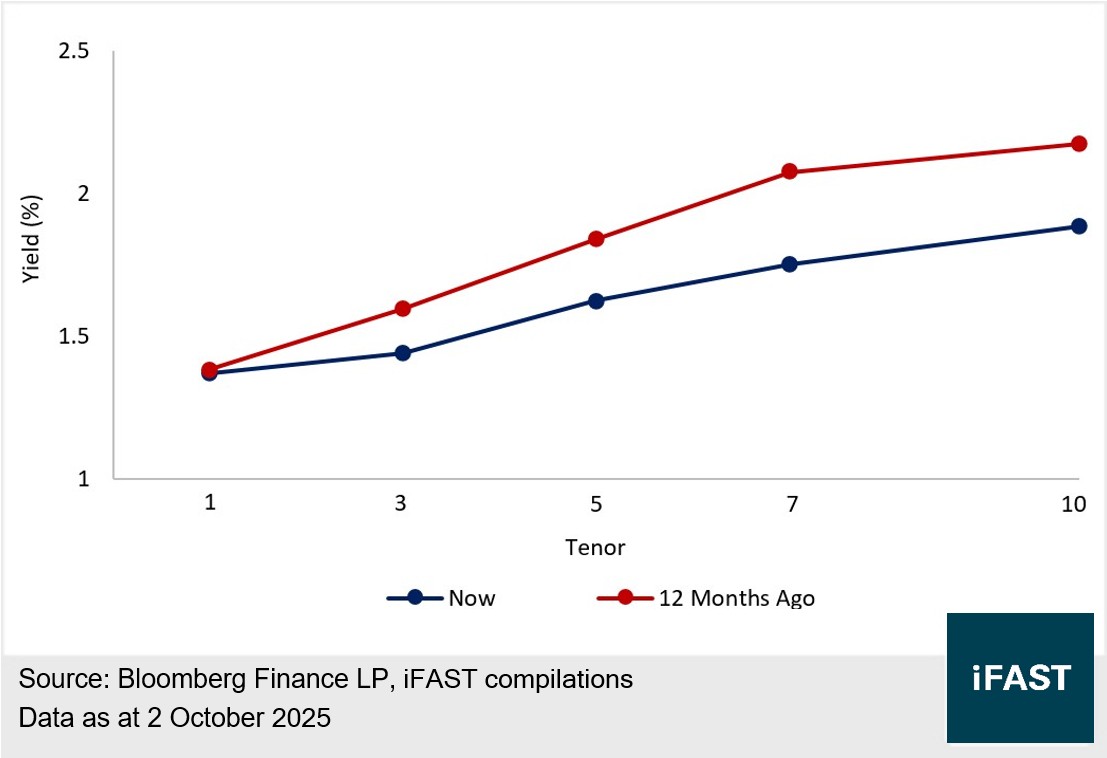
This explains the ‘asset shortage’ situation caused by overwhelming liquidity. High-quality assets, such as the Chinese government bonds, have become the banks’ prioritized instrument to deploy capital, driving the yields down. 10-year bond yield once fell to 1.6% (see Chart 5), which is very close to the short-term policy rate (7-day reverse repo rate: 1.4%). The overall yield curve has become significantly flatter than a year ago (see Chart 6).
Chart 5: 2-Year, 5-Year and 10-Year China Government Bond Yields
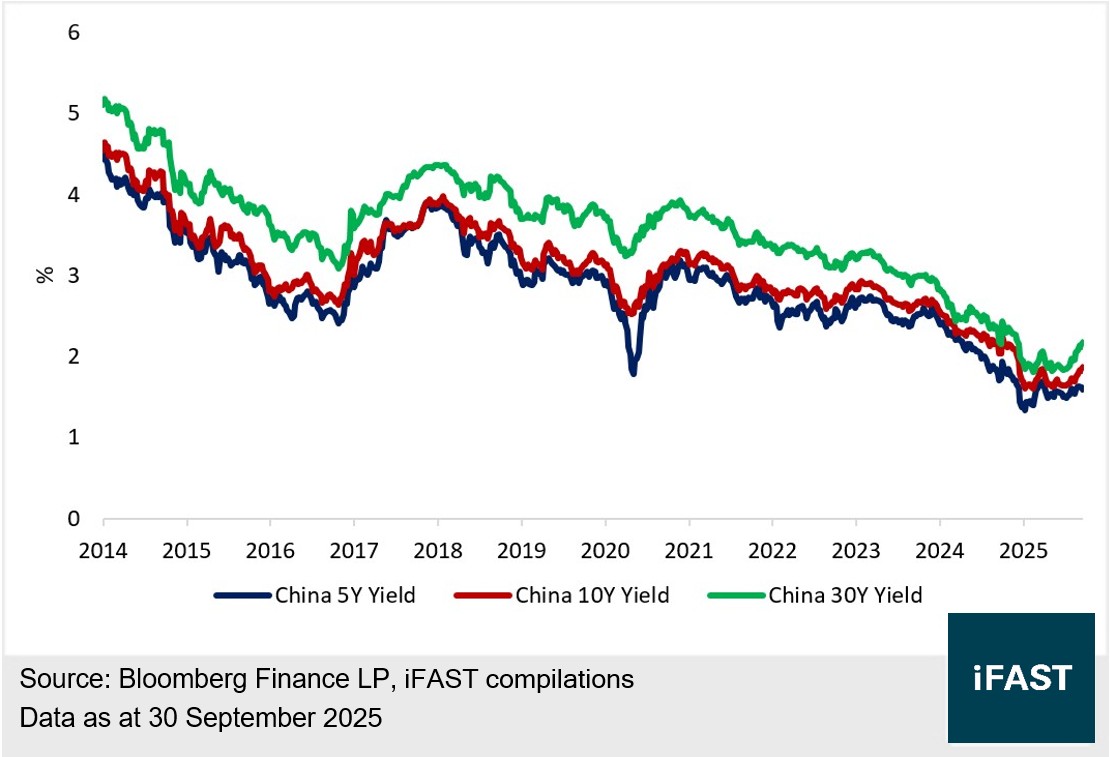
Chart 6: China Government Bond Yield Curve
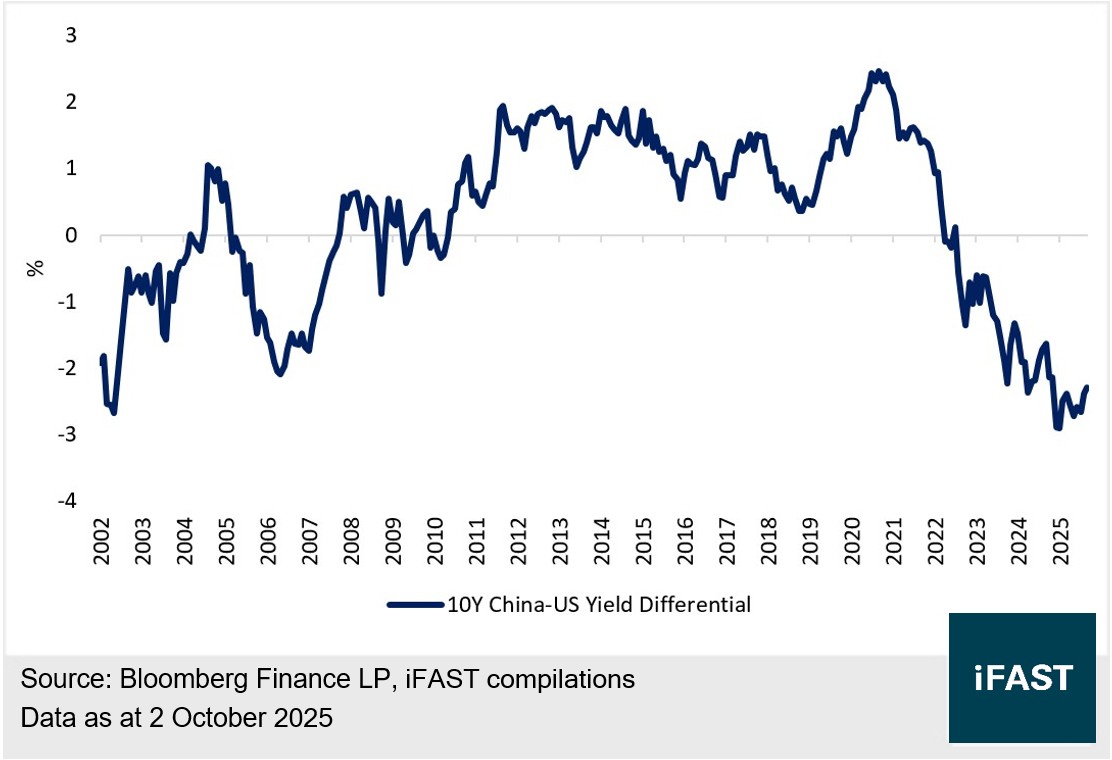
Currently, the China-US yield differential has significantly reversed, with the yield of 10-year China bond far below the 10-year US bond (see Chart 7), making its attractiveness seemingly limited. However, we notice some investors still show interest in RMB bonds. What’s the logic behind this?
Chart 7: 10-Year China-US Yield Differential
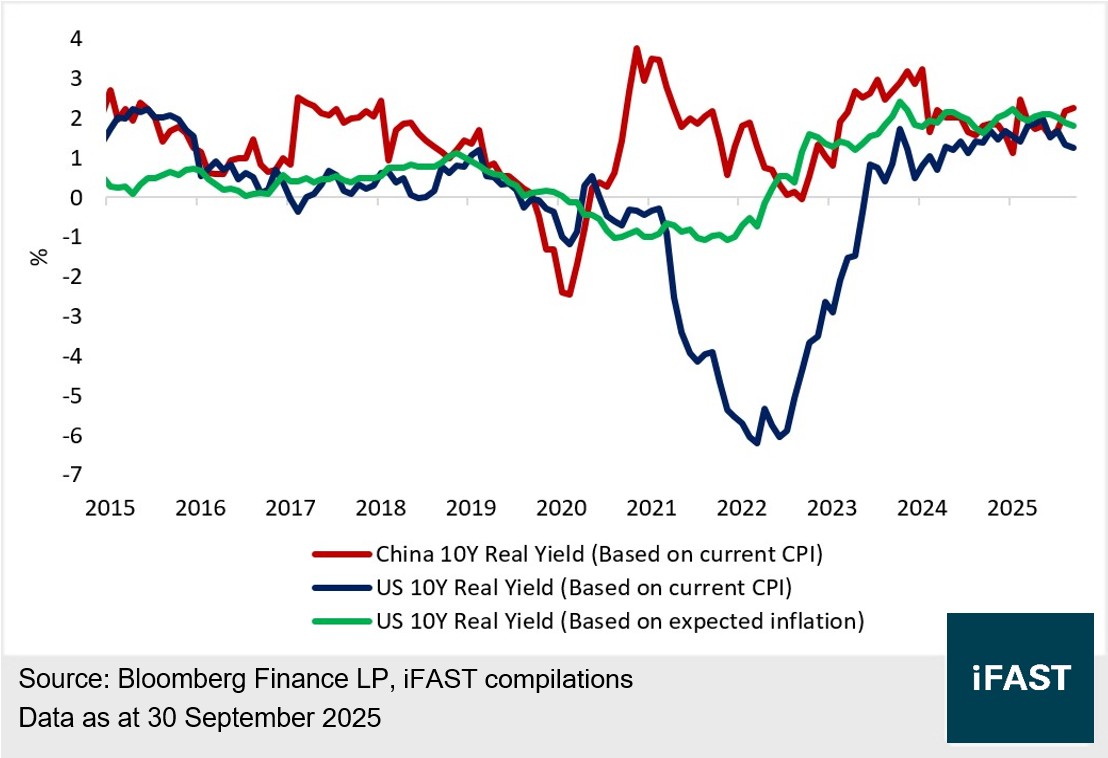
First, unlike other major developed economies that are facing high inflation, China is currently in mild deflation. Therefore, from the real yield perspective, regardless of whether current CPI or inflation expectations are used, the real yield of 10-year RMB bond is still higher than USD bond (see Chart 8).
Chart 8: Real Yield of 10-Year China and US Bond
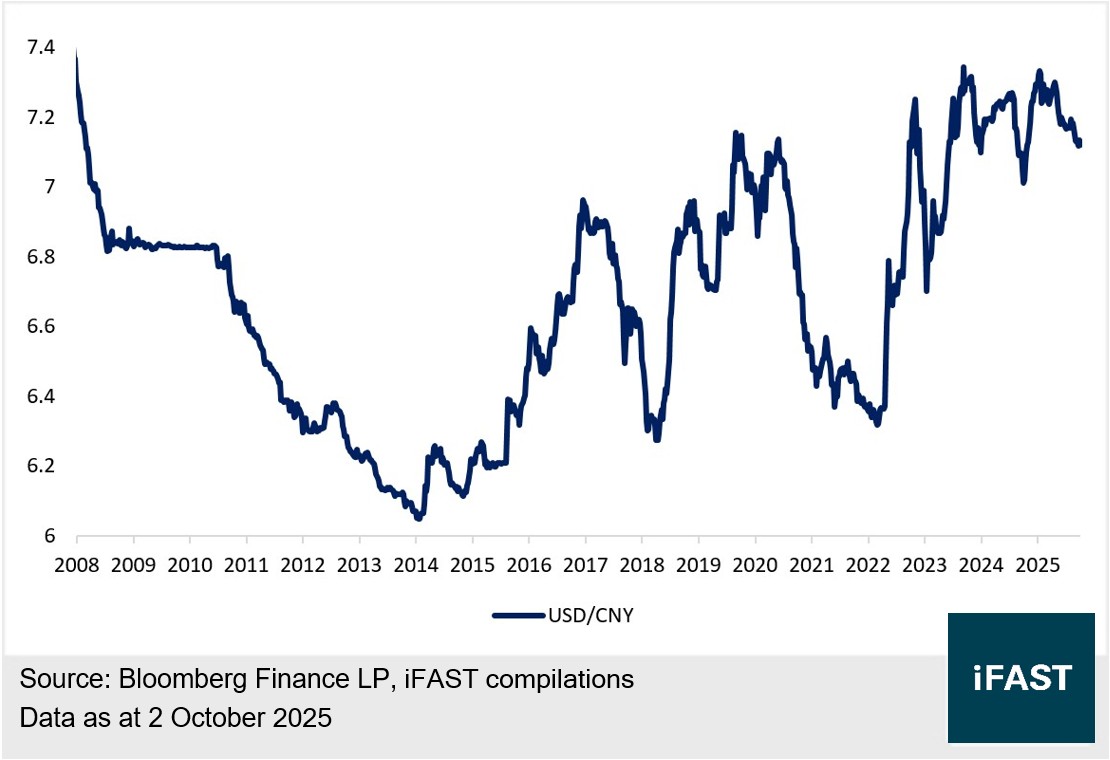
Second, although China’s current interest rate level is lower than the US, the aggressive fiscal policy by US government partially offsets the exchange rate upside brought by high interest rate. Coupled with the lower inflation rate in China, the USD/RMB exchange rate has been stabilized in recent years (see Chart 9). If investors expect the USD to weaken further, RMB bonds will provide potential extra currency returns.
Chart 9: USD/RMB Exchange Rate
Frankly, current RMB bond yields may have reached rock bottom. On one hand, strong performance in China and HK stock markets is drawing capital away from bonds. On the other, the government and PBOC have intermittently intervened—by controlling the new supply and suspending government bond purchases—to prevent yields from sliding further. Nonetheless, with PBOC’s interest rate policy remaining downwardly biased and the ‘asset shortage’ situation is still unresolved given the lack of investment products for onshore RMB under currency control, the likelihood of a sharp spike in yields is also quite low. Therefore, investors who are interested in RMB bonds can utilize the bond selector and new issues page on the platform to browse different Dim Sum bonds.