- Based on our macro outlook of Asia and the Chinese housing market, broad fundamentals for Asian high yield corporate remain positive. Credit fundamentals are still in good shape and should improve looking ahead.
- From a risk-adjusted perspective, current spreads are trading above one standard deviation and have overpriced the expected default risk. Valuation and yields are relatively more attractive as compared to other fixed income segments.
- Tactically in the near-term, the search for yields, risk-on appetite and bond carry demand should drive capital appreciation, adding to returns.
- We remain positive on the Asian high yield segment and believe current spread levels present attractive entry opportunities for investors.
Being the first hotspot of the Covid-19 pandemic, China’s economy and capital markets came under intense scrutiny in first quarter of this year. Investors were indiscriminately selling off Chinese equities and fixed income assets (particularly the high yield bonds) amid an extreme risk-adverse sentiment.
Fast forward a few months later, the battered Asian economy stood the test of time and have started to display signs of steady recovery in both economic growth and corporate earnings. In recent months, we have saw how the improving fundamentals in China and Asia have lent support to its equity market, and how China equities now stands a good chance in outperforming the rest of the world in 2020.
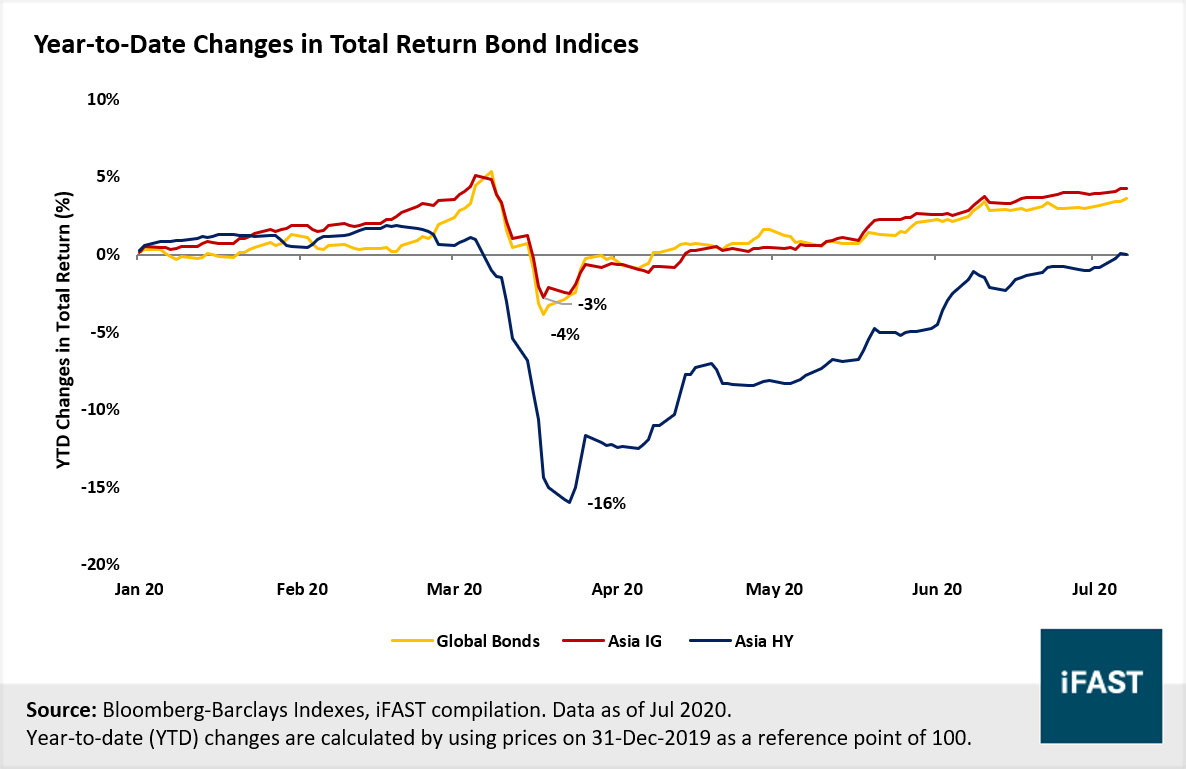
Similarly, we believe that China’s robust economic recovery this year will bode well for its debt market as well. While its fixed income markets have broadly plunged in March, they have since recovered valiantly, erasing all losses due to Covid-19 and are now registering positive returns year-to-date (YTD).
In this article, we take a close look at the Asian High Yield (AHY) market, as well as explain why we think that AHY is still a highly attractive investment opportunity at the current juncture.
Chart 1: Chinese fixed income markets have erased its Covid-19 losses and are slated to register strong gains ahead.
Expect fundamentals to continue improving with China’s recovery
As its economy slumped into a lull in 1Q 2020 amid the draconian lockdown measure, the Chinese government have ramped up strong efforts in bolstering its economic activities. One such effort was its injection of credit and liquidity into its financial markets, via aggressive monetary stimulus.
As observed from chart 2, China’s credit growth rebounded in March where (i) total social financing (funds provided by China’s domestic financial system to the private sector) picked up, (ii) more loans extended by Chinese banks and (iii) money supply expanded.
With improved liquidity and greater ease of financing, we see clear support ahead for Chinese corporates to accelerate their business activities. Leading economic indicators are also showing improving business and consumer sentiment.
Despite the massive support rendered by policymakers so far, we believe China still has ample ammunition for more fiscal and monetary stimulus ahead, if and when they deemed necessary.
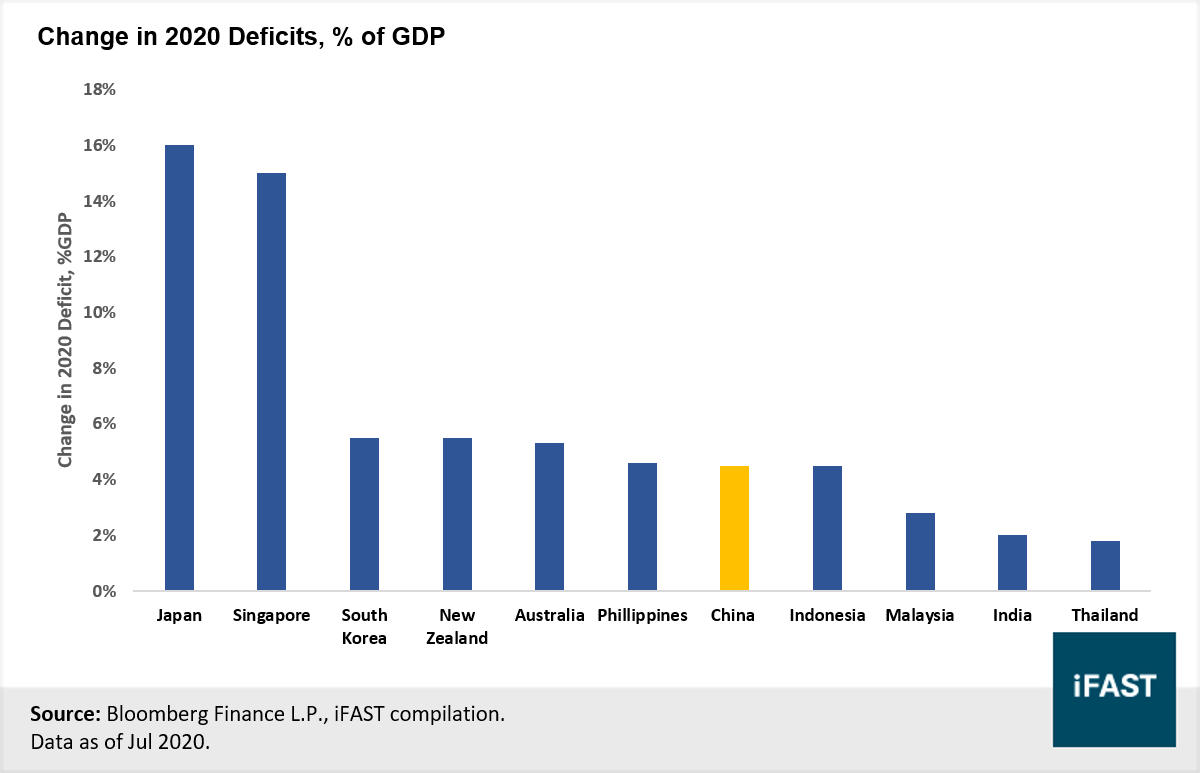
It is worth noting that we have yet to witness a huge government push on fiscal spending – as had happened in 2008. In terms of budget deficit, China has implemented stimulus totalling to slightly just more than 5% of current year estimated GDP, which is rather conservative among the Asia-Pacific nations. As a result, we think that China may further loosen its monetary policy and push for greater fiscal measures, so as to maintain sufficient amount of market liquidity and bolster growth this year (Chart 3).
Chart 2: Government have stepped up injection of credit since March
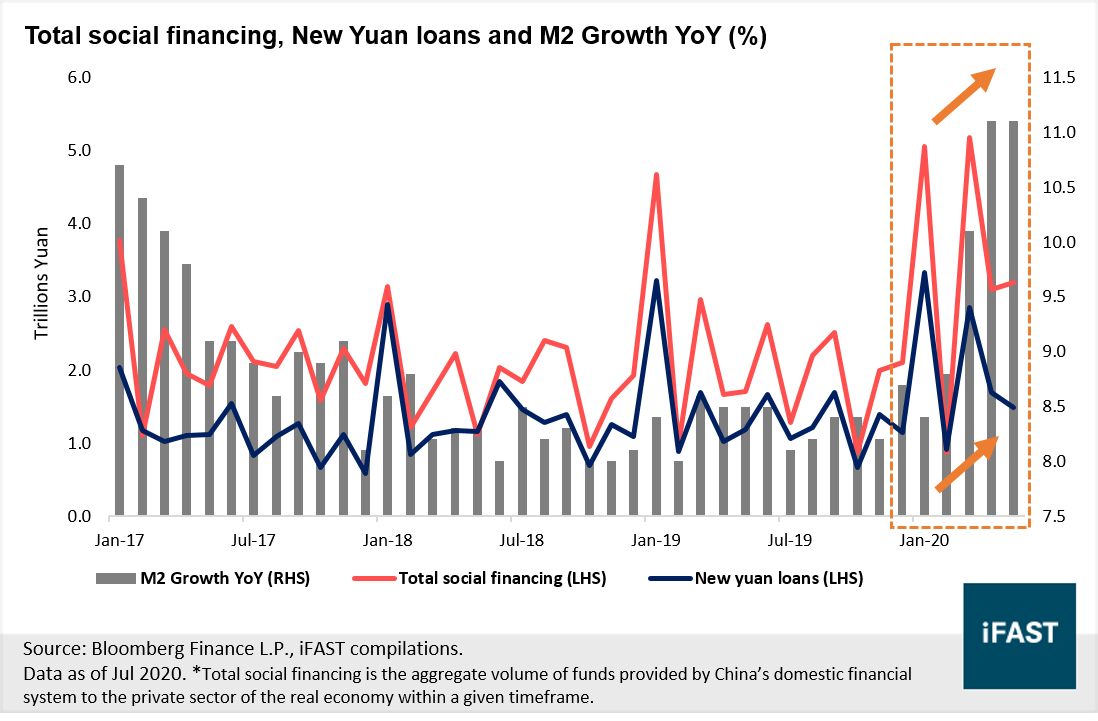
Chart 3: China has been fiscally conservative so far, with extra ammo to be deployed
Strong Recovery in the Chinese Real Estate Market
China credits make up almost half (47%) of all Asian high yield bonds, and the majority of the Chinese bonds are issued by Chinese property developers such as Evergrande and Vanke.
Therefore, given the substantial representation of these property developer in the Asian high yield bond universe, the overall credit health of this particular credit segment depends largely on the conditions of the Chinese real estate sector.
While the financial health of Chinese real estate sector came under immense pressure across 1Q 2020, on the back of suspension in property sales and construction projects to curb the Covid-19 outbreak, the negative impacts were not as bad as expected.
The Covid-19 pandemic only had a moderate impact on the housing sector, because the property market is supported by a firm demand from an expanding population in China. The Covid-19 situation merely delayed the orders for new housing, without impairing the willingness of Chinese homebuyers to purchase new houses.
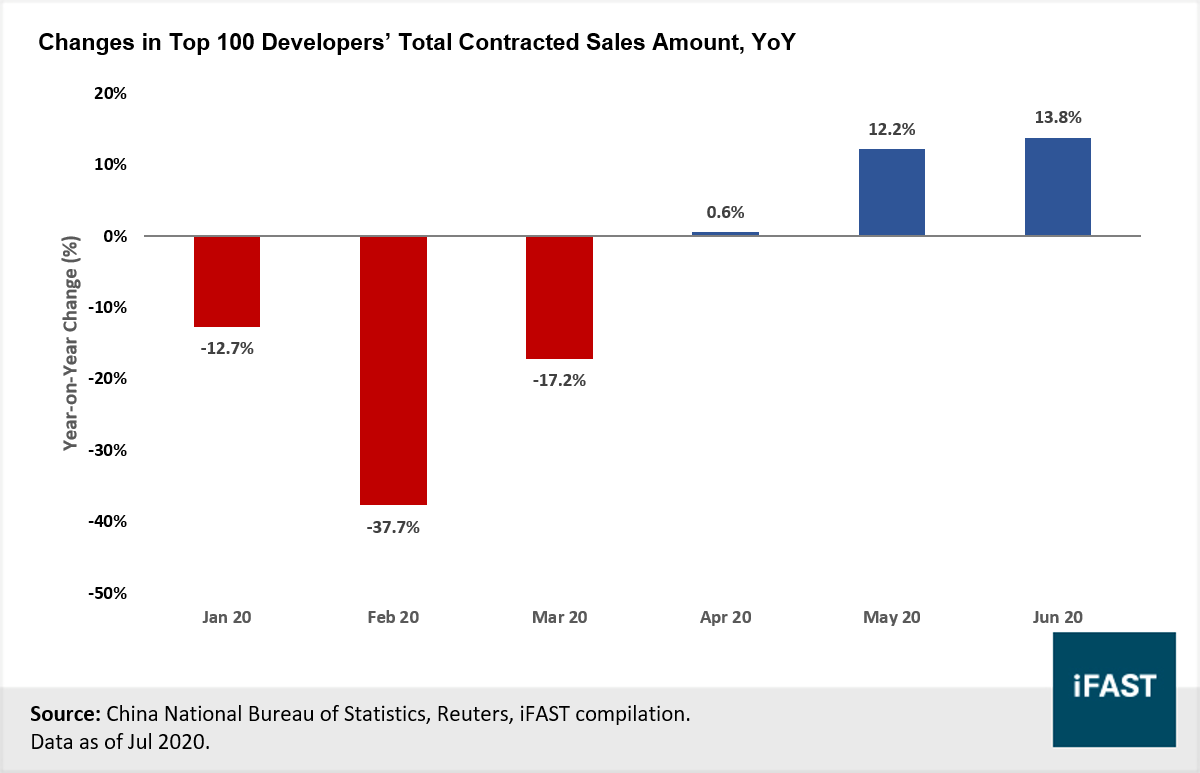
Since the pandemic has recently been under control, sales and project construction have rebounded quickly. The top 100 developers recorded a total contracted sales growth of 14% YoY in June (February: -38% YoY), which had rebounded strongly for four consecutive months (Chart 4). The area of new construction has also recorded a big recovery.
At the same time, according to the figures from the National Bureau of Statistics, the sales prices of new residential buildings in 70 large and medium-sized cities have also steadily increased for three consecutive months across March-May.
Looking ahead, we think that land purchasing strategy of the Chinese property developer can also serve as a leading indicator. The cumulative year-on-year (YoY) change in land transaction volume has rebounded from -36% in February to +7% in May, and such resurgence of land auction indicates a more optimistic outlook for the industry ahead. After all, developers are likely to build up their land banks only if they have confidence that they can develop and sell them off in the future.
Chart 4: Top 100 Developers’ Total Contracted Sales Amount Changes YoY
Credit conditions have improved for Highly Leveraged Issuers
Since
March, the monthly issuance of new Asian USD bonds has quickly picked up - new
issues in the first half of June easily surpassed the total issuance amount in
May. Companies that were previously concerned about the high issuance cost due
to the market fluctuations have since started issuing new bonds again. We have
also noticed a consistent trend of several new bonds offered up on the market
on a daily basis (Chart 5).
More importantly, the overall liquidity in the sector has improved greatly. While USD bonds were the main source of financing for developers in the past, many were also able to tap on onshore bonds to meet their refinancing needs in the first four months of 2020. We believe that the recent bond issuances have demonstrated how
confidence has been restored in the Asian high yield market.
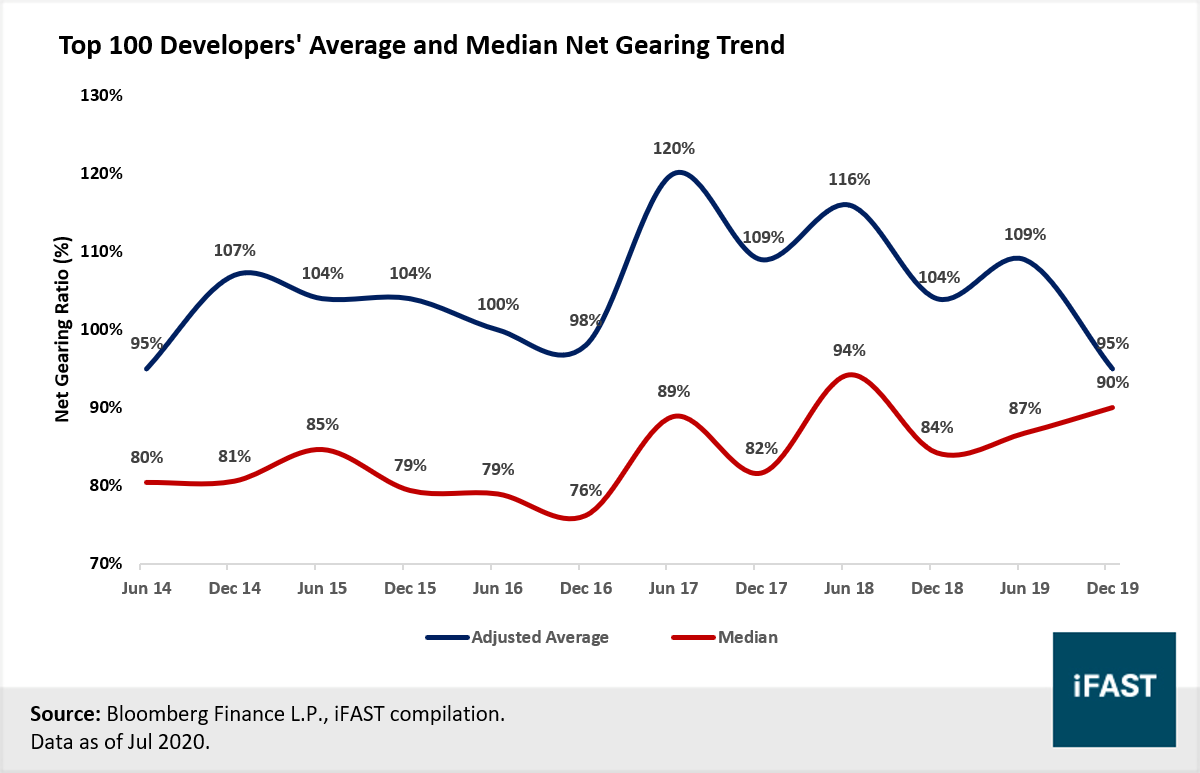
However, even as cheap financing options are now readily available, the average net gearing ratio of the top 100 developers has reduced significantly over the years to healthier levels than before. Even though we observed an increase in the median value, we think it is encouraging to see that the deleveraging efforts of the highly leveraged issuers have been rather successful (Chart 6).
As the market stabilises, we believe developers will continue to take advantage of the ultra low interest rate environment
and the renewed confidence in the Asian credit markets to issue more
bonds (for lower borrowing cost).
Chart 5: Asian USD Bonds Issuance Amount
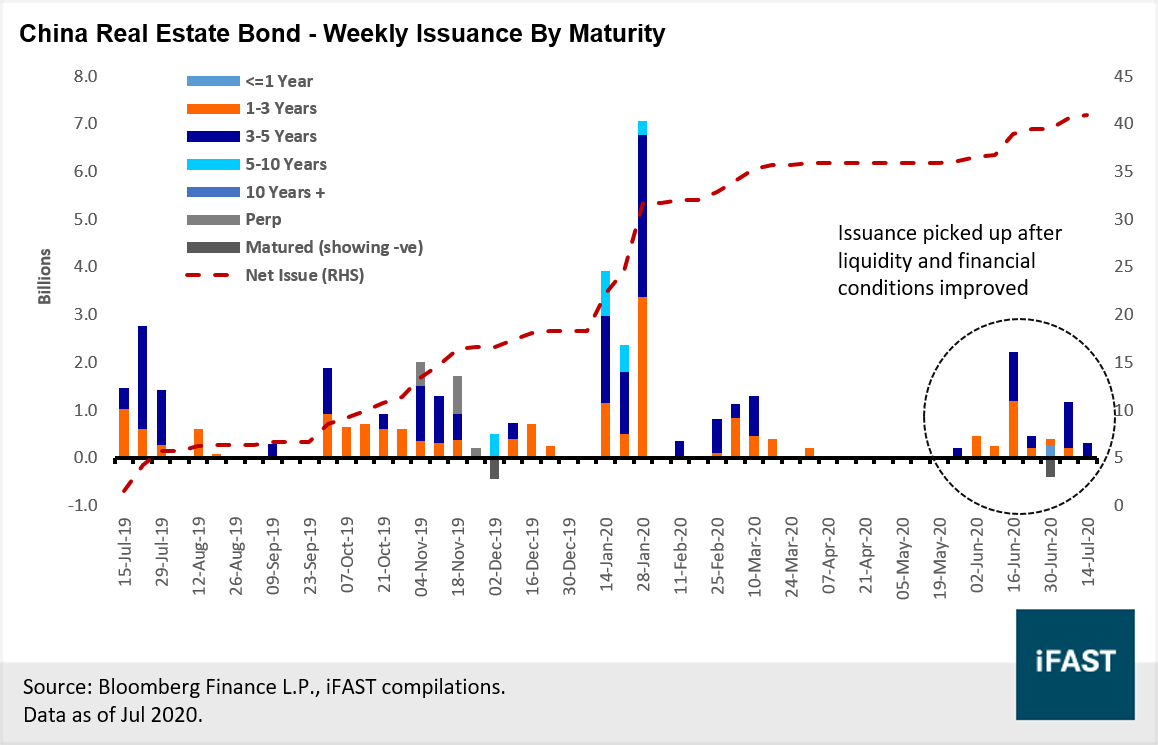
Chart 6: Top 100 Developers’ Average Net Gearing Trend
Attractive yields and compelling valuation
Asian HY bonds currently offer yields of 780 bps (as of 7 July), higher than its US (650 bps) and Euro (553 bps) counterparts, making it attractive on a relative basis (chart 7). Even on an absolute basis, current yield levels remain much elevated than the historical average of 709 bps.
We
believe Asian HY bonds can shine in the current low interest rate environment, which will likely persist for another 1-2 years at least. Its current yield far trumps the yield of investment grade segment for US (219 bps), Euro (84 bps) and Asia (359 bps).
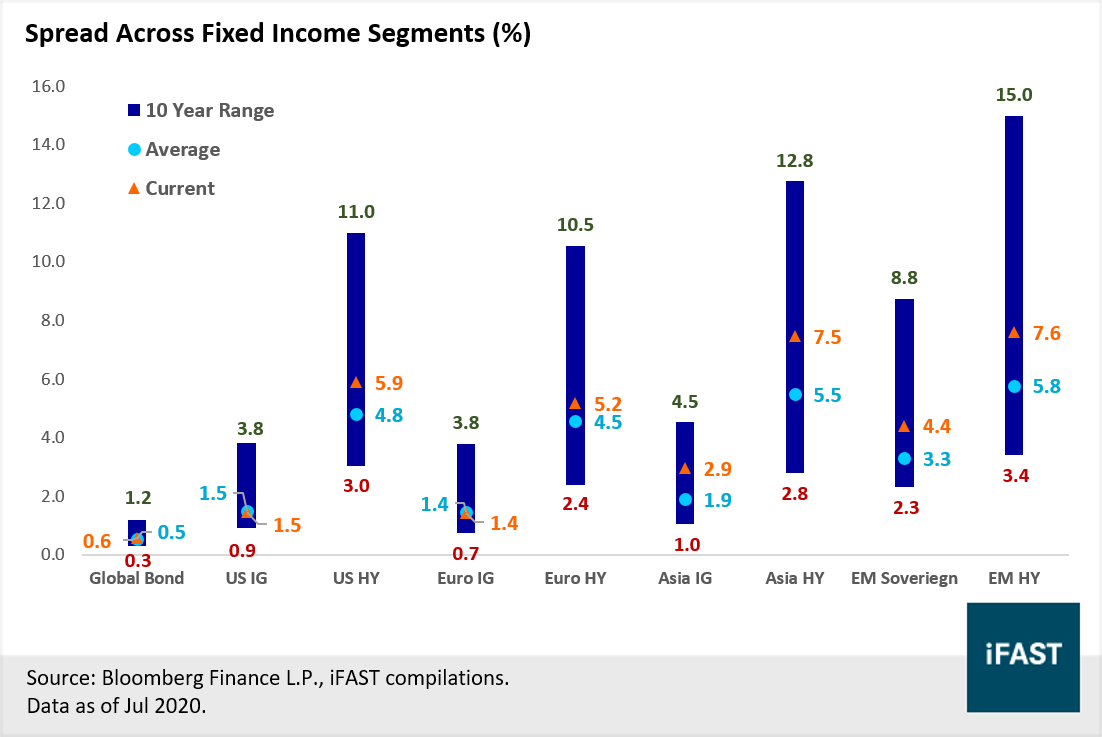
From a valuation perspective, current spread levels are still attractive despite tightening over the recent months. Comparing against major fixed income segments, spreads for Asian HY remain near the highest.
Current spread levels are also around 200 bps above its historical average, indicative of further price appreciation should yields
normalise and spreads tighten. All
in all, the current yields and spreads of Asian HY bonds present an attractive
entry point for investors.
Chart 7: Spread remains above one standard deviation of historical average
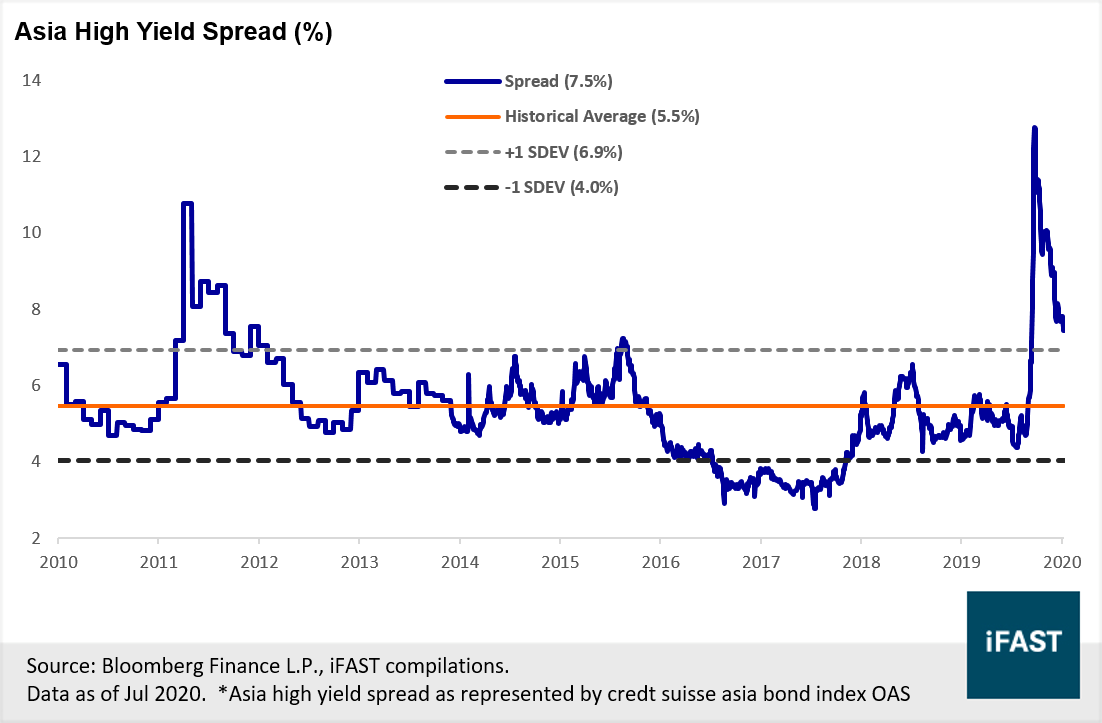
Chart 8: Current spread for Asian HY very attractive across fixed income segments
Current spread level overpriced expected default rate
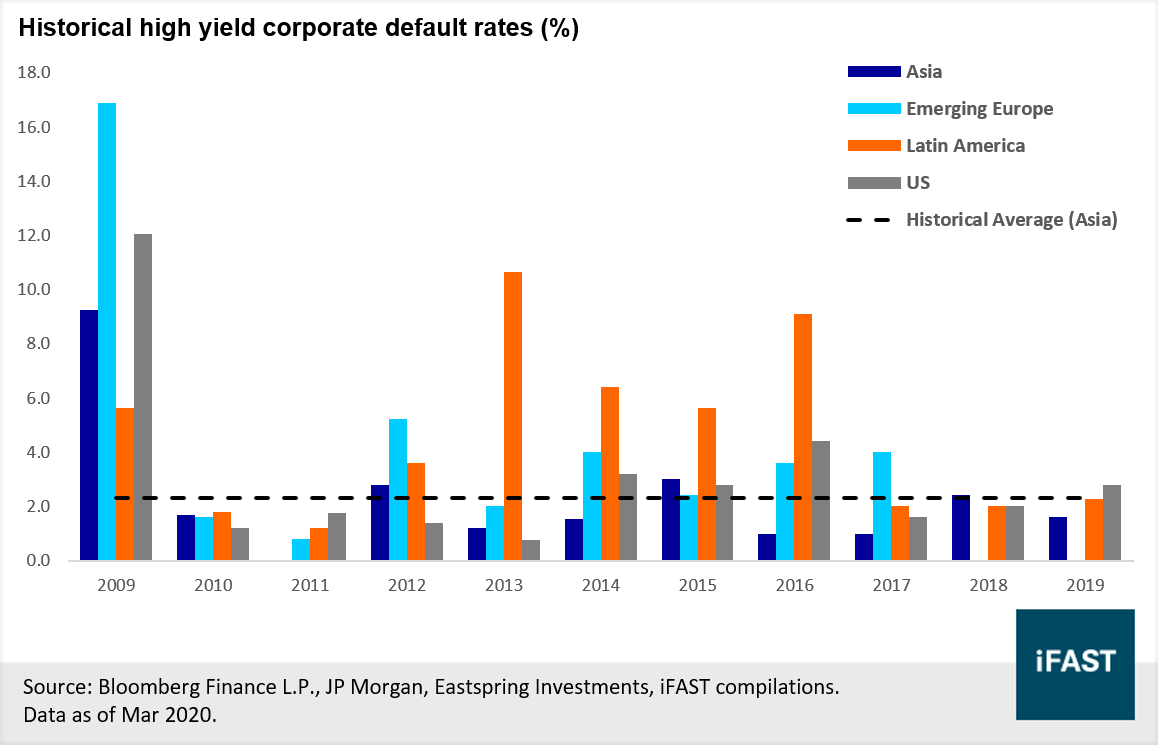
Similar to their US counterparts, Asian corporates are not spared from elevated default risk during this Covid crisis. Given the economic impact, credit rating agency Moody’s expects default rate on HY debt issued by non-financial Asia-Pacific firms to hit 6.4% by end-2020. This is far above the historical 2.3% average default rate for Asian corporates.
Our analysis, which we base on a spread of 745 basis point (as of 7 July) and a recovery rate of 20% (historical average) implies a default rate is 9.3%. Adopting a more conservative approach of 0% recovery rate, the implied default rate then is 7.5%. Both implied default rates are materially higher than Moody’s forecast, indicative of spreads overpricing default risk.
Furthermore, during the troughs of the Great Financial Crisis (GFC), the high yield default rate in Asia was around 9.1%, even lower than the current implied default rate. While spreads have priced in ‘GFC level’ of default, we do not expect default rate this time to reach such levels.
During the GFC, capital markets faced an extended severe stretch of illiquidity (at least 6 months), while this time, liquidity was impaired for only about a month. Moreover, Asian economies are already recovering currently and loaded up with stimulus and credit injections, which will keep many defaults on the side lines.
Overall, by comparing the implied default rate against Moody’s forecast and GFC’s peak, we see a dislocation between pricing and fundamental credit risk. Again, this points to attractive current spread for Asian high yield taking into consideration the credit risk.
Chart 9: Implied default risks suggest an overprice of expected default risk
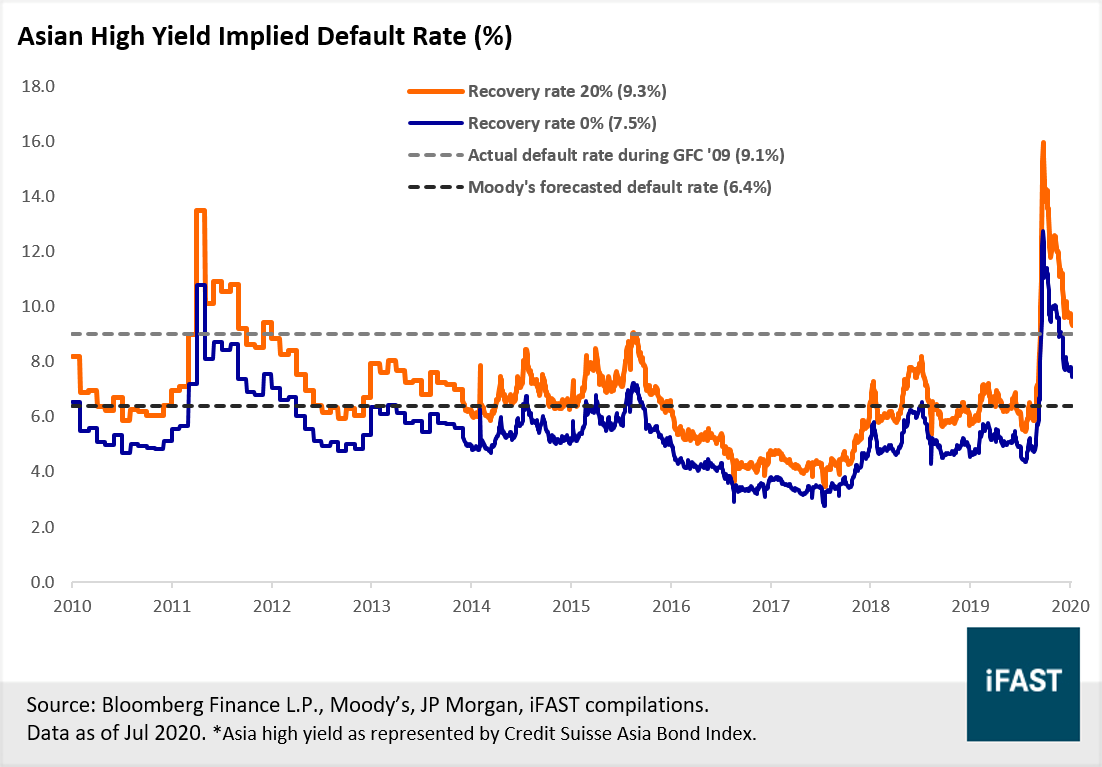
Chart 10: Default rate during peak of GFC was 9%, but unlikely to hit that this time
Near term catalysts for prices well present
Tactically in the near-term, we see three catalysts that can drive further capital appreciation for Asian high yield bond – i) mounting positive sentiments and risk appetite towards Asian assets, ii) robust demand from bond carry and iii) the chase for higher yielding assets.
Firstly, we expect positive sentiments and the risk-on appetite towards Asian assets to sustain ahead. Such optimism (reflation in sentiments) surrounding Asian capital markets is underpinned by the robust recovery of Asian economies (especially China), particularly when many developed economies are struggling to rebound.
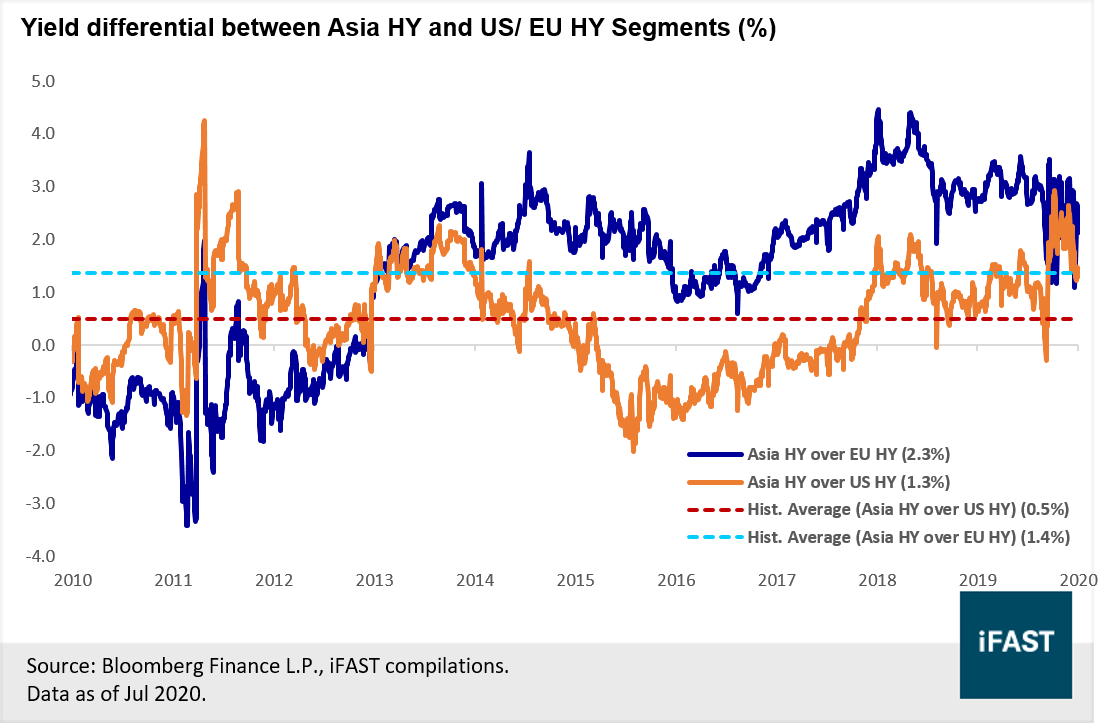
Secondly, we believe the current ‘lower for longer’ interest rate environment and improved liquidity conditions are favourable for bond carry. The above-average yield differentials between (i) IG bonds vs Asian HY (chart 11) and (ii) US HY/EU HY vs Asian HY (chart 12), are indicative of an attractive carry game.
Lastly, the hunt for yield in a yield-starved environment means that investors are likely pressed to take on more risk to portfolios to bolster the total returns. In
such a backdrop, we think investors will start
incorporating more Asian high yield bonds - one of the highest yielding
segment - into their portfolios, which could drive further compression in
yields (hence, appreciation in prices).
Chart 11: Above average yield differential suggest an attractive carry game and robust carry demand …
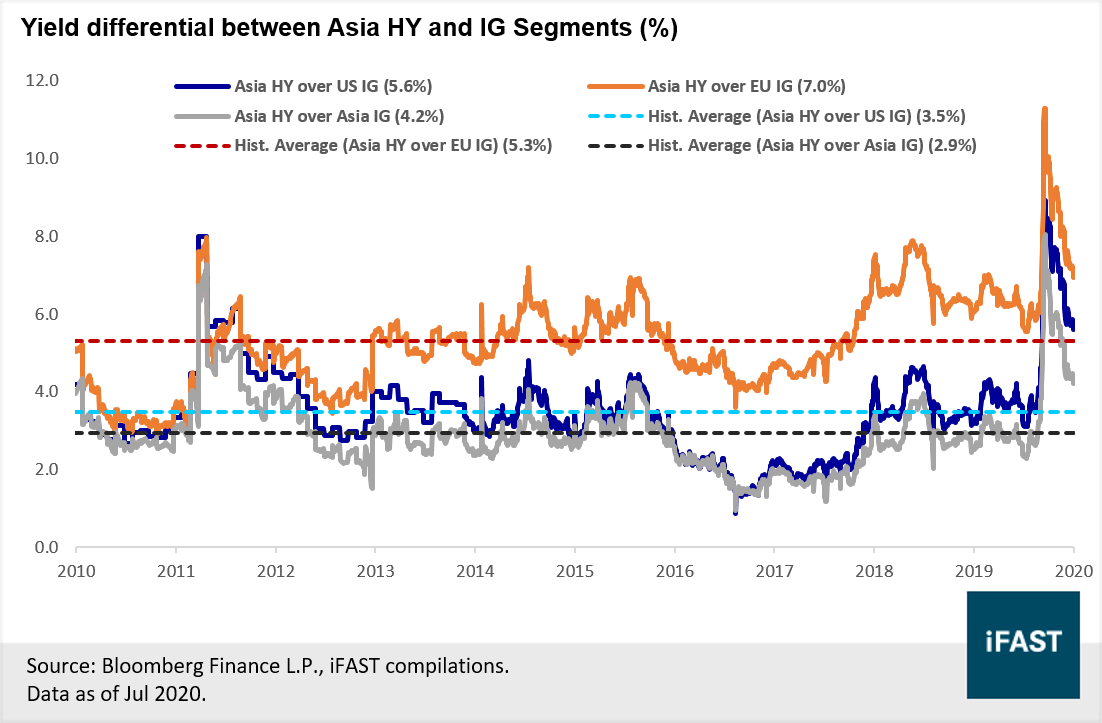
Chart 12: …Same can be observed within the HY segments
Riding on Asian high yield
Based on our macro outlook of Asia, the Chinese housing market and the region’s stimulus outlook, we are positive on the fundamentals for Asian high yield corporate. Credit fundamentals are still in good shape and should improve looking ahead.
From a risk-adjusted perspective, current spreads are trading above one standard deviation and have overpriced the expected default risk. Valuation and yields are more attractive on an absolute basis and relatively, as compared to other fixed income segments.
Tactically in the near-term, the search for yields, risk-on appetite and bond carry demand should drive capital appreciation.
By no means will Asian high yield bond have a smooth journey in 2H 2020 as the region has not yet won its battle against Covid-19. Nonetheless, for the above reasons we remain positive and current spread levels present attractive entry opportunities for investors.