
Key Highlights
- OPR maintained at 2.75%: BNM kept the OPR unchanged, noting that the current monetary policy stance remains consistent with supporting sustainable economic growth while maintaining price stability.
- Growth remains resilient in 2026: Malaysia's economy continued to demonstrate strong growth momentum in 3Q26, supported by robust export performance and sustained domestic demand. Full-year 2026 GDP growth is expected to exceed 5%.
- Growth expects resilient in 2027: The external sector is expected to remain a key growth driver, supported by the ongoing global technology upcycle and firm tourism spending. Stable labour market conditions, continued investment activities and measures under Budget 2027 are expected to provide further support to domestic demand.
- Inflation remains contained: Year-to-date headline and core inflation averaged 1.8% and 1.9%, respectively. Both are expected to edge higher in 2027 amid elevated global commodity prices, geopolitical uncertainties and adverse weather conditions, although inflation is expected to remain contained.
- Investment view: We continue to favour the 3–5-year segment of the MGS curve. Our base case remains expect the OPR to be held in 2027, with risk titled toward a rate hike.
The Monetary Policy Committee (MPC) of Bank Negara Malaysia (BNM) kept the Overnight Policy Rate (OPR) unchanged at 2.75% in November 2026. This concludes BNM’s MPC meetings for 2026, in line with our expectations highlighted in our previous articles: BNM Maintains OPR at 2.75% in September 2026 | Bondsupermart
BNM Maintains OPR at 2.75% Amid Resilient Growth and Contained Inflation
According to the Monetary Policy Committee (MPC), Malaysia's economy continued to demonstrate resilience, with recent indicators pointing to sustained growth momentum in the third quarter of 2026, supported by strong export performance and sustained domestic demand. GDP growth is expected to exceed 5% for the full year and remain resilient in 2027, underpinned by the ongoing global technology upcycle, firm tourism activity, stable labour market conditions and continued investment. Additionally, measures under Budget 2027 are expected to provide further support to private consumption.
However, the growth outlook remains subject to external uncertainties, particularly a prolonged conflict in the Middle East and lower commodity production. Conversely, better-than-expected global growth, stronger technology-related export demand and higher tourism activity could provide further upside to growth.
On the inflation front, headline and core inflation averaged 1.8% and 1.9%, respectively, year-to-date. Both are expected to edge higher in 2027, driven by geopolitical developments, elevated global commodity prices and adverse weather conditions. Nevertheless, inflation is expected to remain contained, supported by continued domestic policy measures and stable demand conditions.
We believe that resilient economic growth and contained inflation provide BNM with room to maintain the OPR at 2.75%. The MPC's latest statement indicates that the current monetary policy stance remains appropriate to support sustainable economic growth while maintaining price stability. However, BNM is expected to remain vigilant towards evolving cost pressures and domestic demand conditions.
Market Reaction to BNM’s OPR Decision
Following Bank Negara Malaysia's (BNM) announcement at 3:00 p.m. to maintain the Overnight Policy Rate (OPR) at 2.75%, financial markets remained broadly stable.
Thirty minutes after the announcement, the FBM KLCI showed little movement, declining slightly from 1,638.13 at 3:00 p.m. to 1,636.72 at 3:30 p.m. (Chart 1). Meanwhile, the MGS market was largely unchanged, with yields on selected tenors moving marginally by 1 basis point, while yields across other tenors remained stable (Table 1). On the currency front, the US dollar also remained broadly stable against the Malaysian ringgit at around RM4.048.
Overall, the muted reaction across the equity, bond and currency markets indicates that BNM's decision to maintain the OPR at 2.75% was broadly anticipated by market.
Chart 1: FBMKLCI’s intraday performance
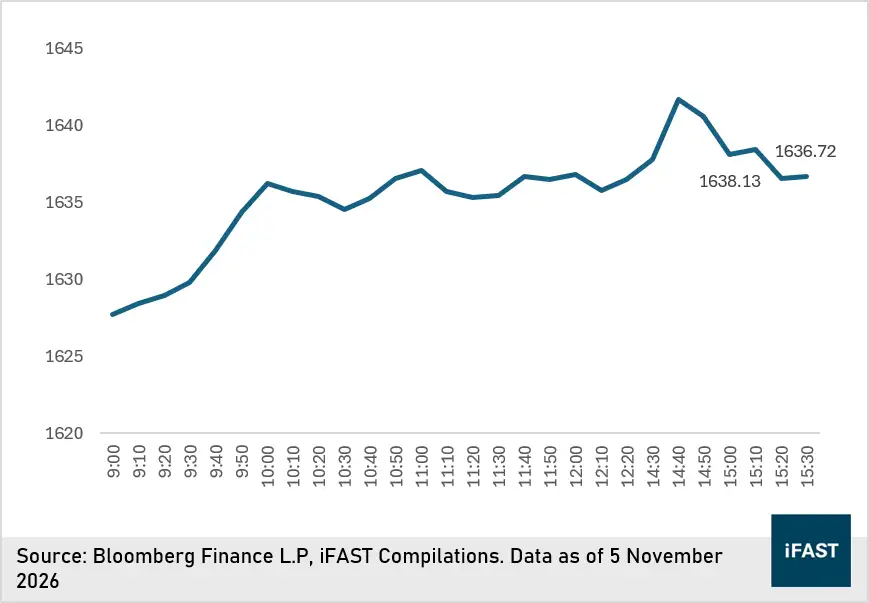
Table 1: Malaysia Government Securities (MGS)
|
Tenure |
Trading Yield (%) |
Change (bps)* |
|
3-year |
3.37% |
1 |
|
5-year |
3.61% |
- |
|
7-year |
3.78% |
- |
|
10-year |
3.84% |
(1) |
|
15-year |
4.11% |
- |
|
20-year |
4.21% |
- |
|
30-year |
4.31% |
(1) |
|
*Changes in MGS yields 30 minutes after the MPC announcement. Source: Bloomberg Finance L.P, iFAST Compilations. Data as of 5 November 2026 |
||
MGS Yield Curve Remains Upward Sloping; Medium-Term (3–5 Years) Favoured
The Malaysian Government Securities (MGS) yield curve remains upward sloping. Compared with one week and one month ago, MGS yields have generally declined, in line with the moderation in US Treasury yields. However, yields have recorded a more significant increase over the past three months, mainly driven by higher US Treasury yields and increased uncertainty surrounding the domestic political landscape.
Looking ahead, domestic political uncertainty, including the possibility of an early general election, could weigh on market sentiment, while a potential modest pickup in inflation (which may be driven by measures such as the minimum wage increase to RM2,000 from June 2027, higher relief for individual tax and expanded cash assistance) may place upward pressure on yields. These factors could contribute to a steeper MGS yield curve, particularly if investors ask for higher term premiums. In addition, we expect the OPR to be held in 2027, with risks tilted towards a rate hike.
Against this backdrop, we expect MGS yields to remain relatively elevated amid global yield volatility, geopolitical uncertainties and domestic developments. Nevertheless, resilient economic growth and contained inflation should provide BNM with room to maintain a steady monetary policy stance. We therefore maintain our preference for short- to medium-duration bonds (3–5 years), which offer a balance between attractive carry and lower duration risk.
Looking ahead, the next MPC meeting is scheduled for 21 January 2027 (Table 2)
Chart 2: Yield Curve and Credit Spread
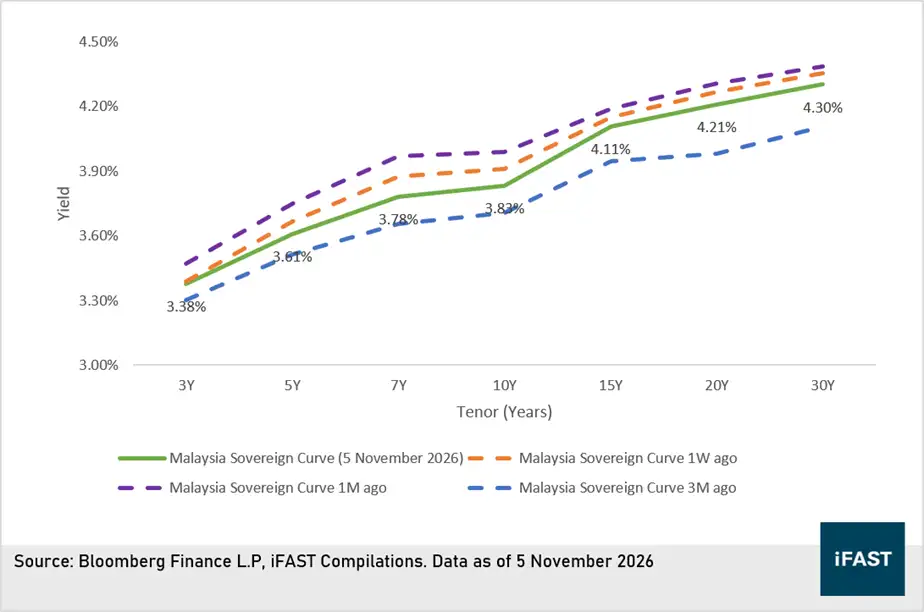
Table 2: Monetary Policy Committee Meeting Decision Schedule
|
MPC Meeting No |
Date |
|
1st |
21 January 2027 (Thursday) |
|
2nd |
4 March 2027 (Thursday) |
|
3rd |
6 May 2027 (Thursday) |
|
4th |
8 July 2027 (Thursday) |
|
5th |
9 September 2027 (Thursday) |
|
6th |
4 November 2027 (Thursday) |
|
Source: Bank Negara Malaysia (BNM), iFAST Compilations. Data as of 5 November 2026 |
|
The following comparison follows the original sequence of BNM's statements, highlighting the key changes in the November MPC statement.
Table 1: Comparison of BNM Monetary Policy Statements – September and November 2026
|
BNM MPC 5th (3 September 2026)
|
BNM MPC 6th (5 November 2026)
|
|
At its meeting today, the Monetary Policy Committee (MPC) of Bank Negara Malaysia decided to maintain the Overnight Policy Rate (OPR) at 2.75%. The latest indicators point to resilient global growth, supported by strong global tech expansion, improving supply conditions and stable labour markets. Inflation has edged lower in recent months but is expected to remain elevated given the lagged pass-through of energy costs to consumer prices. Going forward, while uncertainties surrounding the Middle East conflict will continue to weigh on global growth amid continued inflationary pressures, the impact is expected to be cushioned by sustained tech-related spending. Downside risks to global growth remain, stemming from prolonged geopolitical tensions, tighter global financial conditions and concerns over valuations in financial markets. Upside potential includes stronger tech spending, faster-than-expected recovery in supply chain conditions and pro-growth policy measures in key economies. The Malaysian economy expanded robustly by 5.7% in the first half of 2026, despite the challenging global environment. Growth was driven by stronger-than-expected export performance amid sustained domestic demand. The solid growth momentum is expected to bring 2026 growth to around 5%, and the economy’s sound fundamentals are expected to keep growth resilient in 2027. This will be driven by the external sector, which will be lifted by improved global prospects and robust demand for electrical and electronics (E&E) goods, as well as continued strength in tech-related non-E&E exports and sustained tourist spending. Stable labour market conditions and ongoing investment activity will remain supportive of domestic demand. This growth outlook remains subject to downside risks from a prolonged conflict in the Middle East and lower commodity production. Upside potential to growth could arise from better-than-expected global growth, stronger technology-related export demand and higher tourism activity. Headline and core inflation in the first seven months of the year averaged 1.8% and 2% respectively. Despite elevated costs and strong economic growth, the pass-through to consumer prices has been contained by domestic policy measures and stable demand conditions amid limited spillover of external sector strength to wages. Developments surrounding the Middle East conflict remain uncertain, as elevated global commodity prices continue to exert upward pressure on cost conditions. As these developments remain fluid, the MPC will remain vigilant to cost pressures and domestic demand conditions given their impact on the inflation outlook. At the current OPR level, the MPC considers the monetary policy stance to be consistent with the outlook of continued price stability and sustainable economic growth. The MPC will remain vigilant to ongoing developments and assess the balance of risks surrounding the outlook for domestic inflation and growth. |
At its meeting today, the Monetary Policy Committee (MPC) of Bank Negara Malaysia decided to maintain the Overnight Policy Rate (OPR) at 2.75%. The latest indicators point to continued The latest indicators point to continued resilience in global growth, supported by strong global technology investment and stable labour markets. Inflation has edged up following higher energy costs and is expected to remain elevated given the ongoing pass-through of higher costs to consumer prices. Going forward, while uncertainties surrounding geopolitical developments will continue to weigh on global growth amid continued inflationary pressures, the impact is expected to be cushioned by sustained technology-related spending and the ongoing adaptation to supply constraints. Downside risks to global growth remain, stemming from prolonged geopolitical tensions as well as tighter global financial conditions from monetary policy adjustments, concerns over valuations in financial markets and fiscal vulnerabilities. Upside potential could come from stronger technology spending and a faster-than-expected recovery in supply chain conditions. For the Malaysian economy, recent indicators point to continued strength in growth in the third quarter of 2026. Growth was underpinned by strong export performance amid sustained domestic demand. The solid growth momentum is expected to bring 2026 growth to above 5%. Looking ahead, the economy’s sound fundamentals are expected to keep growth resilient in 2027. The external sector is expected to remain as a major driver of growth, supported by the ongoing global technology upcycle and firm tourist spending. Stable labour market conditions and ongoing investment activity will remain supportive of domestic demand, with measures under Budget 2027 providing further support to private consumption. This growth outlook remains subject to downside risks from a prolonged conflict in the Middle East and lower commodity production. Upside potential to growth could arise from better-than-expected global growth, stronger technology-related export demand and higher tourism activity. Year-to-date, headline and core inflation averaged 1.8% and 1.9%, respectively. Going into 2027, geopolitical developments, elevated global commodity prices and adverse weather conditions are expected to exert upward pressure on inflation. Consequently, both headline and core inflation are expected to edge higher, albeit remaining contained amid continued domestic policy measures and stable demand conditions. The MPC will remain vigilant to cost pressures and domestic demand conditions given their impact on the inflation outlook. At the current OPR level, the MPC considers the monetary policy stance to be consistent with the outlook of continued price stability and sustainable economic growth. The MPC will remain vigilant to the evolving conditions and assess their implications on the balance of risks surrounding the outlook for domestic inflation and growth. |
Key changes from September to November 2026:
1. Global inflationary pressures increased: Unlike September, when inflation had edged lower, the November statement highlighted that inflation had edged higher following increased energy costs.
2. Malaysia's growth outlook improved: BNM upgraded its full-year 2026 growth assessment from around 5% to above 5%, reflecting stronger-than-expected economic momentum in 3Q26.
3. Budget 2027 received greater emphasis: The November statement explicitly highlighted measures under Budget 2027 as an additional source of support for private consumption.
4. Inflation risks extended into 2027: BNM now expects both headline and core inflation to edge higher in 2027, driven by geopolitical developments, elevated commodity prices and adverse weather conditions.
5. Monetary policy stance remained unchanged: Despite the stronger growth outlook and anticipated inflation pickup, BNM maintained the OPR at 2.75%, reiterating that the current policy stance remains appropriate.
Bond Recommendation
Please find the compiled list within our prefer duration of 3 – 5 years offering the yield in the range of 4.4% to 6.3% (Table 2).
Table 3: Available bond in our platform within (3-5 year)
|
Issuer |
Bond |
Year to maturity |
Yield to maturity |
Credit Rating |
Min and Sub investment amount |
|
WCT Holdings Berhad |
2Y6M |
5.3% |
A+ |
RM5,000/5,000 |
|
|
DRB-HICOM Berhad |
3Y1M |
4.4% |
AA- |
RM1,000/1,000 |
|
|
Yinson Holdings Berhad |
4Y1M |
5.0% |
A1 |
RM250,000/250,000 |
|
|
Source: Bondsupermart, iFAST Compilations. Data as of 4 November 2026 |
|||||